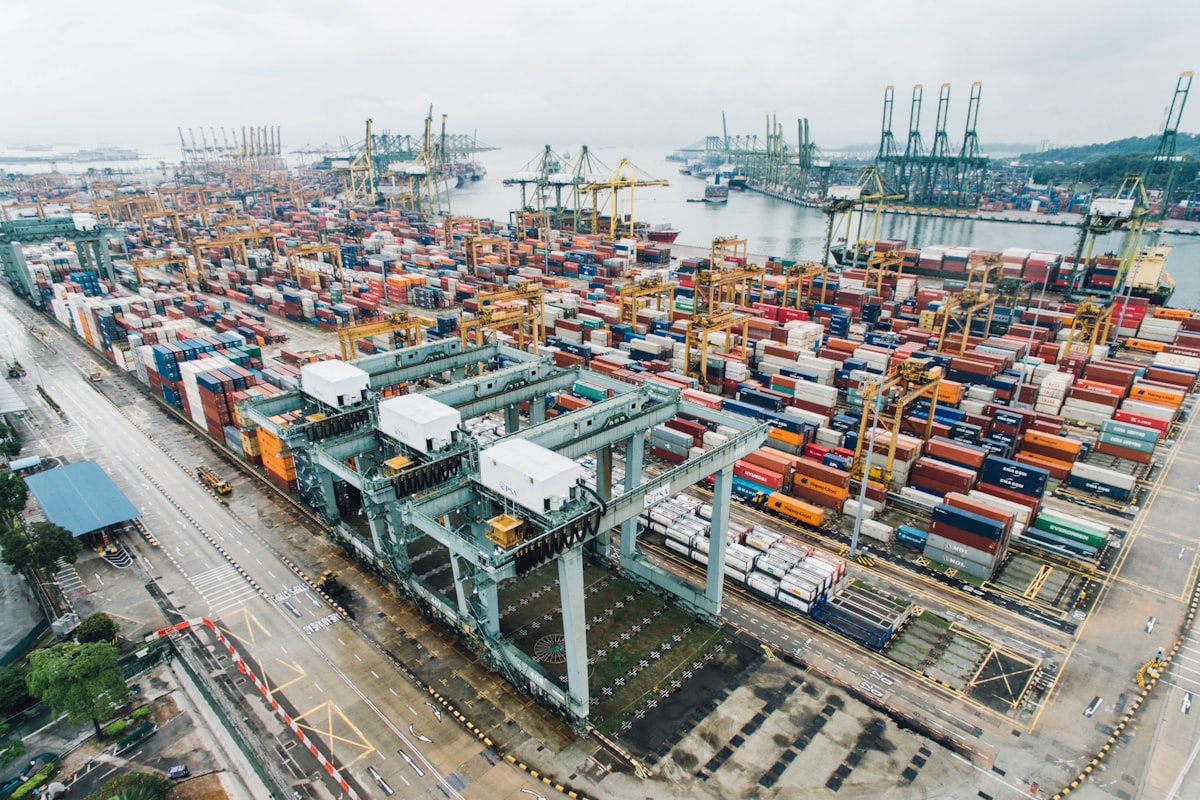
The Port of Los Angeles — the nation’s busiest port — is experiencing renewed congestion pressure in early 2026. While conditions are far from the record-breaking backlog of 2021, a combination of tariff-driven inventory front-loading and seasonal volume surges is testing the San Pedro Bay supply chain. Here’s what importers need to know.
How Bad Is It Right Now?
The 2021 crisis was extreme: ships waited weeks offshore, containers piled up for months, and importers faced unprecedented delays. Today, the situation is considerably better — but not back to pre-pandemic normal.
The Port’s Port Optimizer™ Control Tower provides daily operational dashboards tracking vessel wait times, dwell times, and gate activity. As of early 2026, total container vessels at berth and within 40 nautical miles remain elevated compared to historical averages, but the system is handling volume without the catastrophic delays seen during the 2021 supply chain crisis.
Why Is Congestion Returning?
📦 Tariff-Driven Front-Loading
With new tariff policies taking effect throughout 2025–2026, many retailers and importers accelerated orders to build inventory ahead of cost increases. This created concentrated demand spikes that the port — still recovering from earlier labor disruptions — struggled to absorb evenly.
🚢 Vessel Bunching
When importers shift timing of shipments, carriers adjust schedules, leading to clusters of vessels arriving simultaneously. This “vessel bunching” creates temporary overload at marine terminals even when overall volume is manageable.
⚙️ Labor & Equipment Constraints
The ILA waterfront labor environment remains complex following the 2024–2025 contract renegotiations. Combined with ongoing chassis shortages in some corridors, this adds friction to terminal throughput.
Real Strategies That Work in 2026
1. Optimize Container Dwell Time
The Port reports dwell time for import containers in three tiers: 0–4 days, 5–8 days, and 9+ days. Containers sitting beyond 9 days incur significant demurrage costs. Action: Pre-arrange trucking and rail connections before your cargo arrives. Book Port Optimizer appointments in advance — don’t wait for the container to land.
2. Use On-Dock Rail to Decongest
The Port of LA offers Import On-Dock Rail — containers can move directly from ship to rail without leaving the terminal. This bypasses crowded yards and reduces truck gate congestion. For inland destinations (Chicago, Dallas, East Coast), on-dock rail can save 2–4 days in total transit.
3. Shift to Off-Peak Gate Windows
Terminal gates operate extended hours, and overnight and early-morning appointments (before 7 AM) have significantly less congestion. If your operation allows, reposition your pickup windows away from peak midday hours.
4. Consider Alternative Ports
While the Port of LA handles the highest volume, the Port of Long Beach, Port of Oakland, and PNW ports (Seattle/Tacoma) may offer shorter wait times depending on your destination. For Midwest-bound cargo, Savannah or Gulf Coast ports are worth evaluating.
5. Pre-Position Inventory at 3PL Warehouses
If your cargo is non-time-sensitive, storing inventory at Southern California 3PL facilities before peak seasons — or before tariff dates — can reduce the pressure of tight port windows and lower your per-diem costs.
What to Watch in 2026
- Tariff policy timeline — Any pause or reversal would reduce front-loading pressure
- ILA contract stability — Labor peace keeps terminals running efficiently
- Chassis availability — Ongoing equipment shortages remain a wildcard
- Pacific trade lane capacity — New carrier alliances could ease or worsen bunching
“The lesson from 2021 is that reactive responses cost far more than proactive planning. The importers who built buffer time into their supply chains — not just their budgets — came out ahead.” — Supply Chain Expert, FreightWaves TOC 2025
Conclusion
Port of Los Angeles congestion in 2026 is a manageable challenge — not a crisis — but it rewards preparation. By understanding current wait time patterns, using on-dock rail, pre-booking appointments, and watching alternative ports, importers can maintain reliable supply chains without overpaying for delays.
The Port of LA publishes daily operations reports Monday–Friday on their business operations page.
Sources: Port of Los Angeles official data, FreightWaves market analysis, JOC.com.